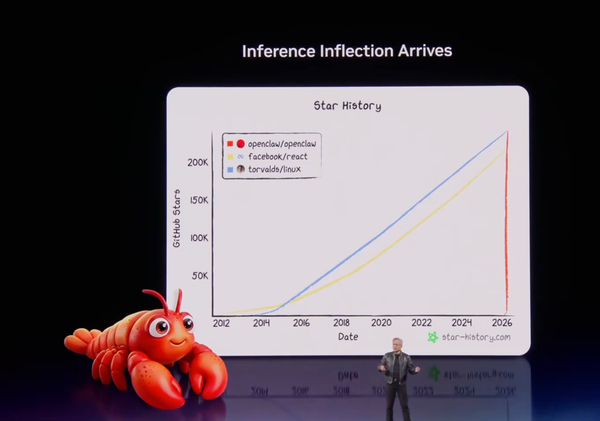
One Year of Model Context Protocol: From Experiment to Industry Standard
How a November 2024 Launch Became the "USB-C for AI" in Just 12 Months


Remember when you had to carry five different chargers for your devices? And then USB-C came along and changed everything? Well, something similar just happened in the AI world, and most people completely missed it.
Let me tell you a story.
When Everything Connected to Everything (But Didn't Really)
It was November 25, 2024 when two developers at Anthropic—David Soria Parra and Justin Spahr-Summers—released something that would quietly change how AI systems talk to the world. They called it the Model Context Protocol, or MCP for short.
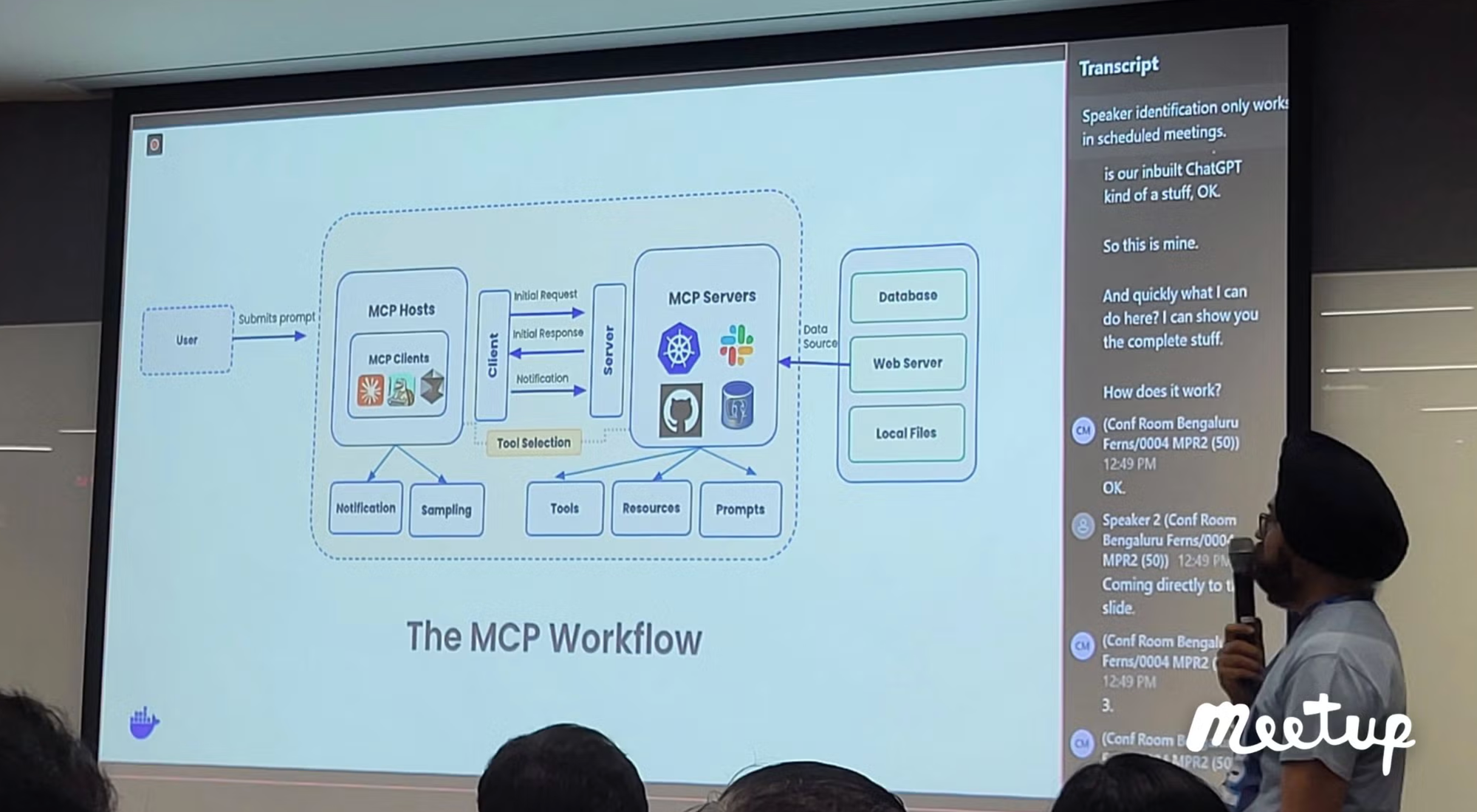
Here's the thing they were trying to solve: imagine you're building AI applications. You've got ten different AI tools, and each one needs to connect to a hundred different data sources. That's potentially 1,000 custom integrations you'd have to build and maintain. Engineers called this the "M×N problem"—a fancy way of saying "this is an absolute nightmare."
MCP flipped that equation on its head. Build the protocol once on the client side, build it once on the server side, and boom—everything just works together. Simple. Elegant. Revolutionary.
The First Three Months: Quiet Momentum
At first, it was just a small ripple. Anthropic released it open-source with SDKs in Python and TypeScript. They threw in some reference servers for Google Drive, Slack, GitHub, and a few others. Companies like Block and Apollo started playing with it. Development tool companies—Zed, Replit, Codeium, Sourcegraph—began tinkering with integrations.
Q1 2025: Foundation Phase (November 2024 - February 2025)
November 25, 2024 - Launch
- Anthropic open-sources MCP with SDKs in Python and TypeScript
- Reference servers released: Google Drive, Slack, GitHub, Git, Postgres, and Puppeteer
- Early adopters: Block and Apollo integrate MCP
- Development tools companies (Zed, Replit, Codeium, Sourcegraph) begin integrations
December 2024 - January 2025
- Claude Desktop app gets native MCP support
- First community-built servers emerge
February 2025
- Over 1,000 community-built MCP servers available
Q2 2025: The Inflection Point (March - May)
March 26, 2025 - The Game Changer
OpenAI CEO Sam Altman announced on X:
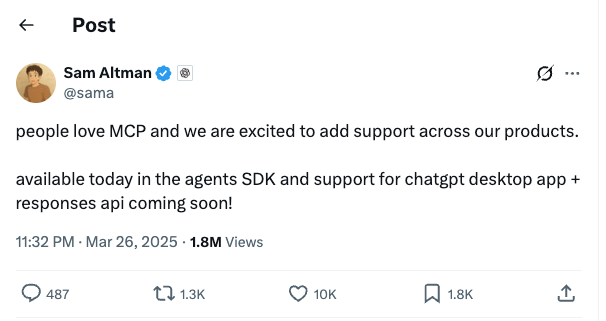
"People love MCP and we are excited to add support across our products. available today in the agents SDK and support for chatgpt desktop app + responses api coming soon!"
This same day, MCP launched its second major specification (2025-03-26) introducing:
- Streamable HTTP transport for cloud deployments
- Comprehensive OAuth 2.1 authorization framework
- Enhanced remote deployment capabilities
April 2025
- Google DeepMind CEO Demis Hassabis confirms MCP support for Gemini models
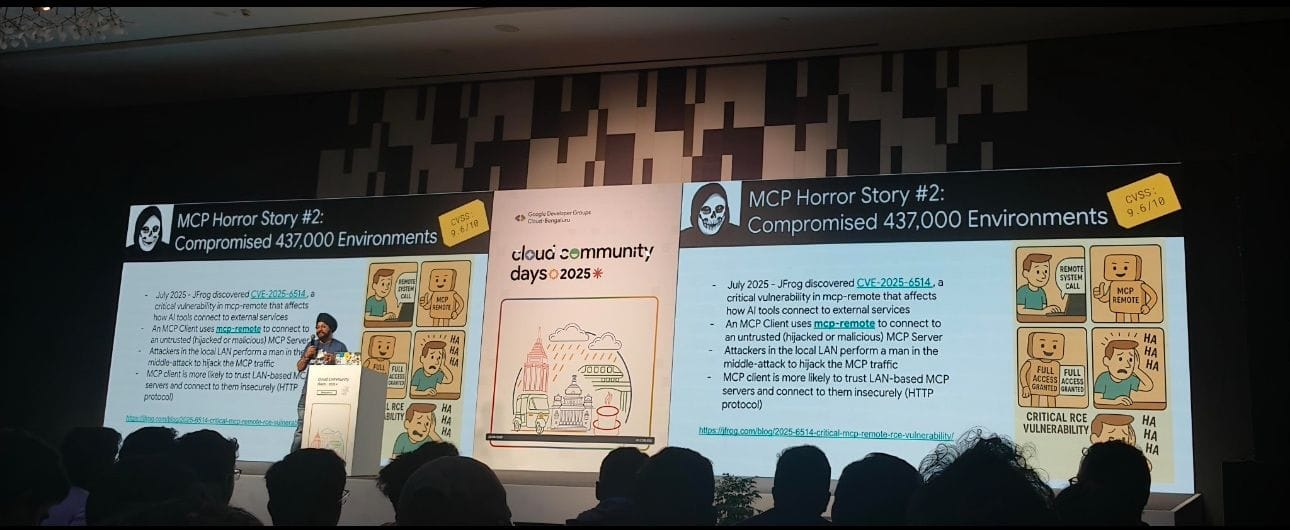
- Security researchers identify critical issues: prompt injection, tool permissions, lookalike tools
- Ecosystem reaches 5,800+ MCP servers
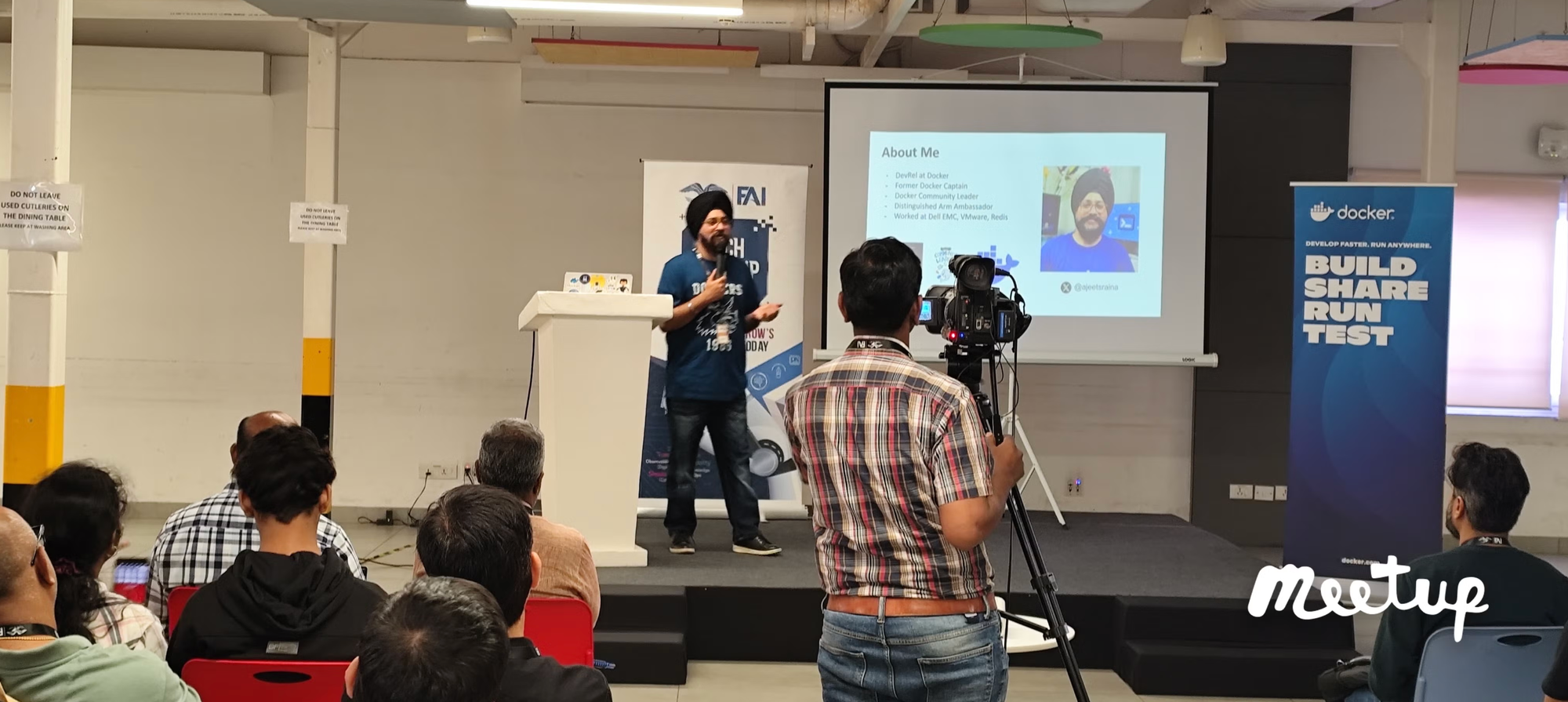
April 22, 2025 - Docker Enters the MCP Arena
Docker announces Docker MCP Catalog and Docker MCP Toolkit, bringing container-grade security to the MCP ecosystem:
- Centralized discovery platform integrated with Docker Hub
- 100+ verified MCP servers at launch
- Partnership with Stripe, Elastic, Neo4j, Heroku, Pulumi, Grafana Labs, Kong Inc., New Relic, Continue.dev and more
- Publisher verification and versioned releases
- Built on Docker Hub's infrastructure (20+ billion pulls monthly)
- One-click MCP server deployment from Docker Desktop
- Built-in OAuth support and secure credential storage
- Seamless integration with Gordon (Docker AI Agent), Claude, Cursor, VS Code, Windsurf, Continue.dev, and Goose
- Enterprise controls: Registry Access Management (RAM) and Image Access Management (IAM)
- Containerized MCP servers for isolation and security
Docker President and COO Mark Cavage:
"Building functional AI applications shouldn't feel radically different from building any other app."
May 2025
- Microsoft announces Windows 11 as "agentic OS" with native MCP support
- Microsoft Copilot Studio reaches General Availability with MCP integration
Q3 2025: Governance and Infrastructure (June - September)
June 18, 2025 - Specification v3
Major security and authorization update:
- MCP servers classified as OAuth Resource Servers
- Mandatory Resource Indicators (RFC 8707) to prevent token misuse
- Structured tool outputs
- Enhanced security best practices
July 2025
- Formal governance model established
- Specification Enhancement Proposal (SEP) process introduced
- Working groups formed for different domains
September 2025
- MCP Registry launches in preview - centralized catalog for server discovery
- Initial batch of vetted servers onboarded
- Major cloud providers contribute official servers
Q4 2025: Maturity and Foundation (October - December)
November 11, 2025
- Release Candidate for anniversary specification released
- 14-day validation window for implementers
November 25, 2025 - First Anniversary
Major specification release includes:
- Client ID Metadata Documents (CIMD) for simpler, more secure client registration
- Tasks capability for long-running operations
- MCP Registry reaches nearly 2,000 entries (407% growth since September)
December 9, 2025 - Linux Foundation
Anthropic donates MCP to the Agentic AI Foundation (AAIF) under the Linux Foundation, alongside:
- goose by Block
- AGENTS.md by OpenAI
Platinum founding members: Anthropic, Block, OpenAI, AWS, Bloomberg, Cloudflare, Google, and Microsoft
The Numbers: Explosive Growth
As of December 2025:
- 97 million+ monthly SDK downloads across all languages
- 10,000+ active MCP servers
- 17,000+ community servers in various registries
- 300+ MCP clients
- 407% growth in registry entries (Sept-Nov 2025)
- First-class support across ChatGPT, Claude, Cursor, Gemini, Microsoft Copilot, VS Code and more
The Ecosystem Explosion
Enterprise Adoption
Major deployments include:
- Block: 60+ internal MCP servers
- Salesforce: Agentforce integration
- Bloomberg: Financial data integration
- AWS, Azure, Google Cloud: Official cloud provider servers
- Hundreds of Fortune 500 companies
Platform Integration
MCP is now supported by:
- IDEs: VS Code, Cursor, Windsurf, JetBrains (planned)
- AI Platforms: ChatGPT, Claude, Gemini, Microsoft Copilot
- Development Tools: Playwright, Sourcegraph, GitHub
- Databases: PostgreSQL, MySQL, MongoDB, Snowflake, BigQuery, Redis, Weaviate
- Cloud Services: AWS Lambda/ECS/EKS, Azure AI Foundry, GCP
Community Innovation
The community has created MCP servers for:
- Creative Tools: Blender, Aseprite, DaVinci Resolve
- Communication: Discord, Slack, WhatsApp, Telegram
- Development: GitHub, GitLab, Docker, Kubernetes
- Healthcare: FHIR servers, Apple Health integration
- IoT: 3D printer control, ESP RainMaker devices
- And thousands more...
Technical Evolution
Architecture Maturity
MCP deliberately borrowed from the Language Server Protocol (LSP), using:
- JSON-RPC 2.0 for message format
- STDIO, SSE, and Streamable HTTP transports
- Client-server architecture familiar to developers
Specification Progress
| Date | Version | Key Features |
|---|---|---|
| Nov 25, 2024 | 2024-11-05 | Initial release, STDIO transport |
| Mar 26, 2025 | 2025-03-26 | Streamable HTTP, OAuth 2.1 |
| Jun 18, 2025 | 2025-06-18 | Resource Indicators, structured outputs |
| Nov 25, 2025 | 2025-11-25 | Tasks API, CIMD authentication |
Challenges and Growing Pains
Security Concerns (April-June 2025)
Identified issues include:
- Prompt injection vulnerabilities
- ~7,000 misconfigured servers exposed publicly (approximately half of all servers)
- Token misuse and credential exposure
- Tool permission escalation risks
- GitHub MCP server prompt injection weakness (May 26, 2025)
- Asana MCP server data exposure bug
Technical Challenges
- Version compatibility between rapid releases
- JSON-RPC serialization overhead (10-15ms latency)
- Limited multi-agent orchestration
- Complex authentication flows initially
Why MCP Won
Strategic Factors:
- Right Problem, Right Time: AI agents needed standardized connectivity
- Open and Neutral: Open-source with vendor-neutral governance
- Network Effects: Each new server added value to the ecosystem
- Strategic Adoption: OpenAI's March 26 endorsement created tipping point
- "Good Enough" Design: Sufficient and improvable
- Community-Driven: Contributions from students to enterprises
- Proven Patterns: LSP-inspired architecture felt familiar
Comparison to other standards:
- OpenAPI (Swagger): ~5 years
- OAuth 2.0: ~4 years
- HTML/HTTP: Much of the 1990s
- MCP: ~4 months (Nov 2024 to March 2025)
The Docker Parallel
MCP's trajectory mirrors Docker's early days: thousands of varying-quality containers created by the community, outpacing enterprise adoption but building unstoppable momentum. That low barrier to contribution served both projects' early phases perfectly.
The Roadmap: What's Next
Immediate Priorities (2026)
- Asynchronous Operations: Support for long-running tasks
- Statelessness & Scalability: Horizontal scaling improvements
- Server Identity: .well-known URLs for capability discovery
- Official Extensions: Industry-specific patterns (healthcare, finance, education)
- SDK Standardization: Clear tiering system for SDK support
- MCP Registry GA: Production-ready registry service
Validation & Quality
- Reference client implementations
- Reference server implementation
- Compliance test suites
Community Highlights
What distinguished MCP's first year was the community:
- MCP Dev Summit, MCP Night, MCP Dev Days worldwide
- Active Discord with specialized working groups
- GitHub: 2,835+ commits to awesome-mcp-servers repository
- 74,900+ GitHub stars on community list
- Reddit community (r/mcp) sharing use cases
- 17 SEPs processed in one quarter
Key Quotes from Industry Leaders
Mike Krieger, Chief Product Officer, Anthropic:
"MCP started as an internal project to solve a problem our own teams were facing. When we open sourced it in November 2024, we hoped other developers would find it as useful as we did. A year later, it's become the industry standard."
Jim Zemlin, Executive Director, Linux Foundation:
"We are seeing AI enter a new phase, as conversational systems shift to autonomous agents that can work together. Within just one year, MCP, AGENTS.md and goose have become essential tools for developers building this new class of agentic technologies."
"In just one year, MCP has evolved from an experiment to a widely adopted industry standard, highlighting the impact of open collaboration."
"We believe open standards are an important part of an agentic web—helping models work with tools and platforms more seamlessly. OpenAI has been contributing to the MCP ecosystem since early on."
Conclusion: The Standard We Needed
One year ago, connecting AI to data meant custom code for every integration. Today, MCP has become the "USB-C for AI"—a universal standard enabling any AI model to connect to any data source.
But MCP's story isn't about technology alone. It's about community, collaboration, and the power of open standards to accelerate an entire industry. It's about competitors setting aside proprietary interests to build shared infrastructure.
As MCP enters its second year under Linux Foundation stewardship, with support from the AI industry's biggest players and a thriving community of builders, the protocol that was "just an experiment" twelve months ago is now critical infrastructure for the AI age.
You might find this interesting:
 Ajeet Singh Raina
 Ajeet Singh Raina
 Ajeet Singh Raina
 Ajeet Singh Raina
 Ajeet Singh Raina